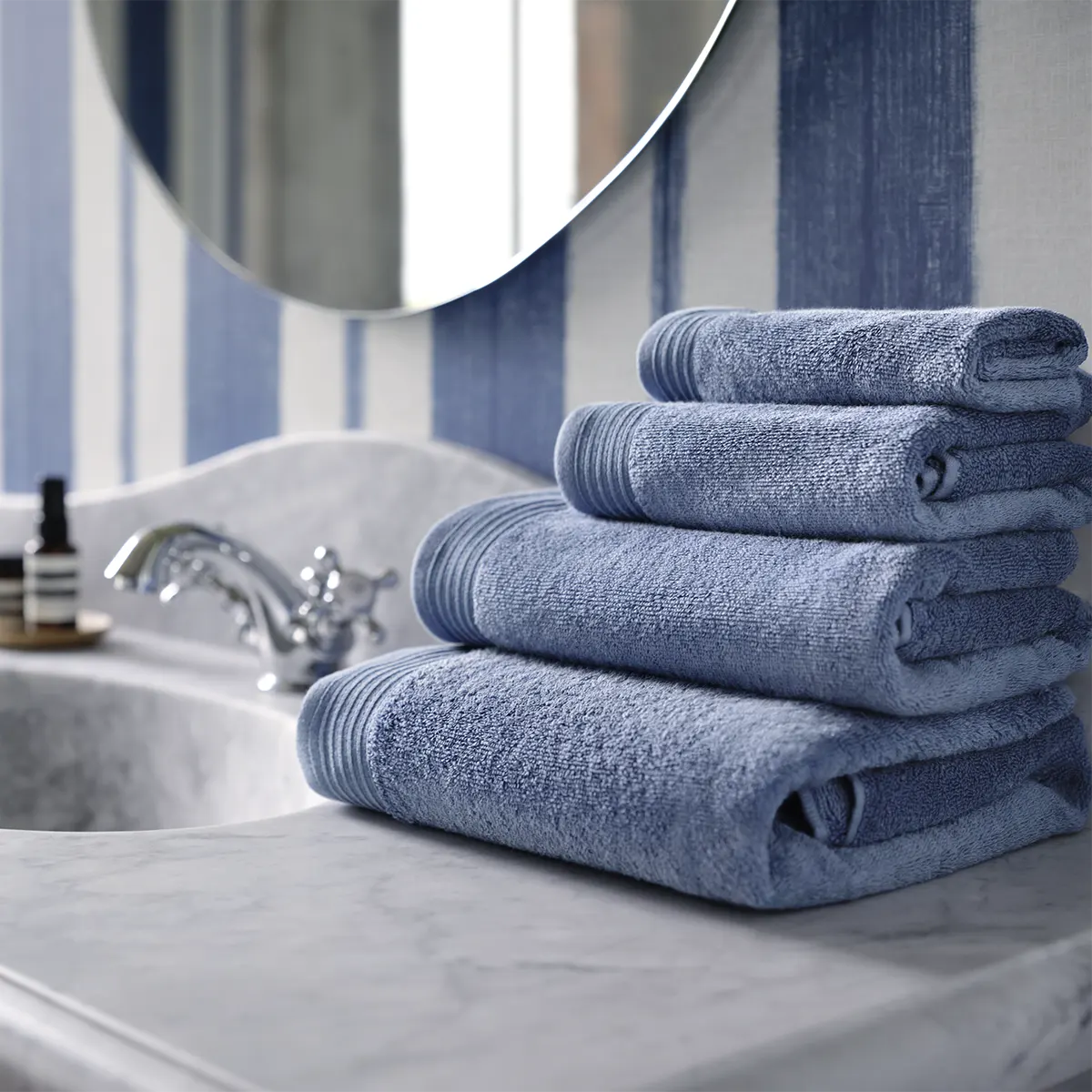
Make conscious choices. Sleep better.
At Schlossberg, sustainability is not a one-off project, but a journey. We are taking it step by step – using high-quality materials, ensuring long-lasting quality, working with European partners, and striving to create beautiful designs responsibly. For us, sustainability means making conscious decisions – in harmony with feasibility, cost-effectiveness and our high standards of quality. Whilst we cannot change the wind, we can adjust our sails.
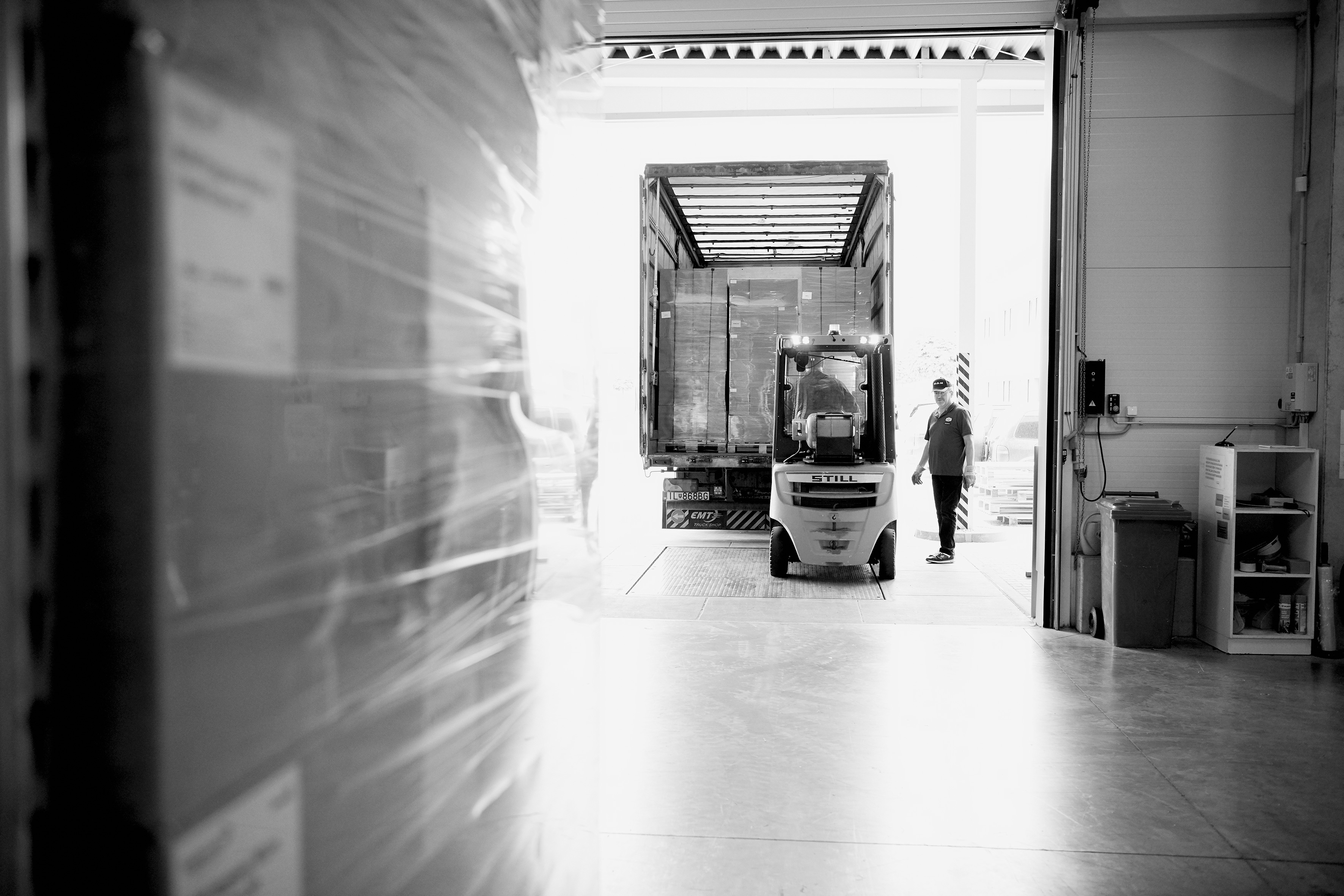
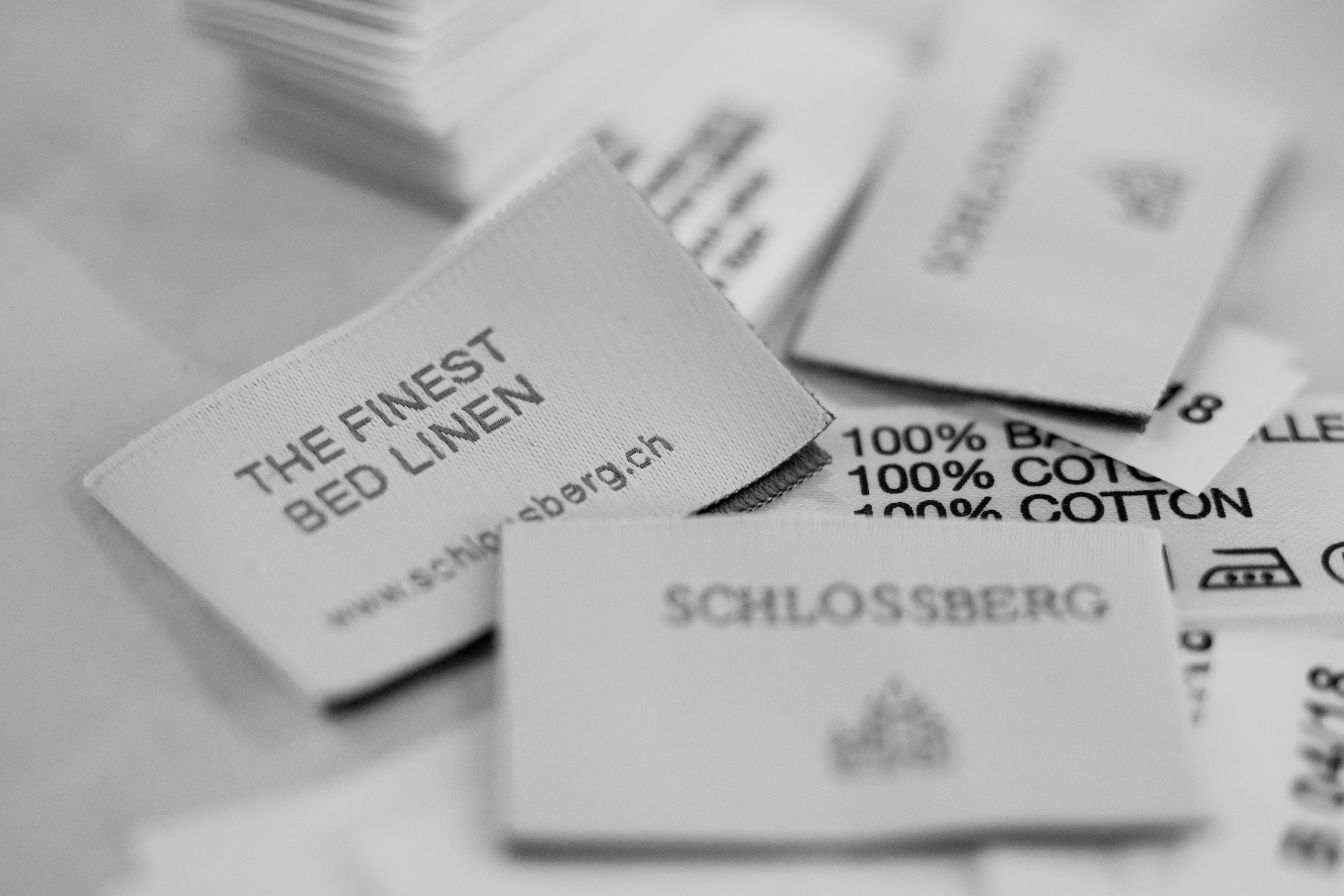
Certifications
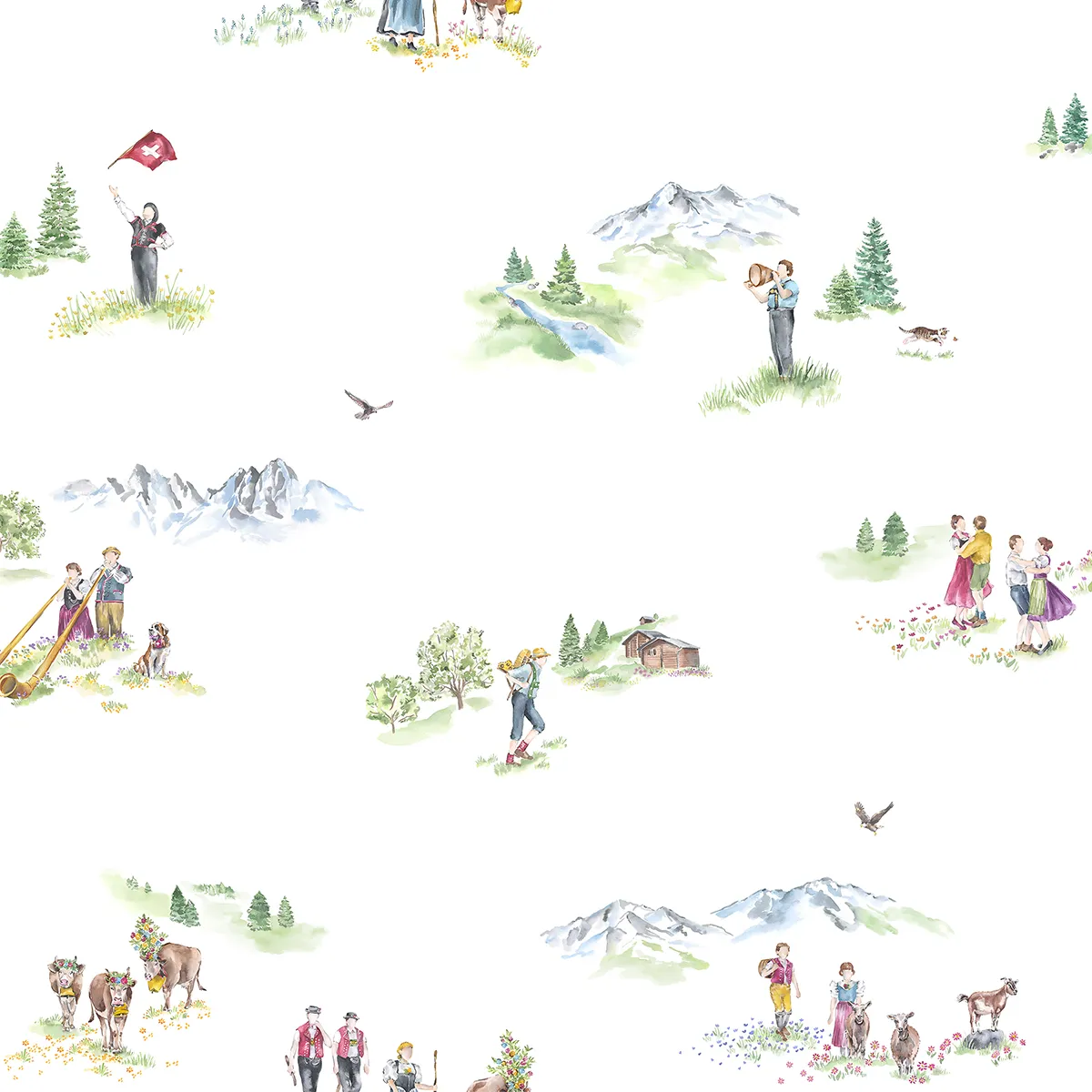
Made in Switzerland
The sample and bespoke items for our boutiques, as well as for our customers, are produced in line with the principle of ‘as much Switzerland as makes sense’: the focus is on short supply chains, transparent sourcing and resource-efficient production. By manufacturing locally in our in-house atelier, we reduce transport emissions, support regional economic growth and benefit from high environmental and social standards. At the same time, small, demand-driven batches enable us to use materials efficiently, minimise overproduction and ensure individual, long-lasting quality – precisely where sustainability and ‘Made in Switzerland’ have the greatest combined impact.
From the sewn-in label to the fabric and packaging, Schlossberg sources everything from Swiss family-run businesses or European partners. This ensures that production expertise and jobs are retained in Switzerland or neighbouring countries, whilst fostering a network of small and medium-sized family-run businesses.
Made in Europe
Every product manufactured by Schlossberg is subject to high standards of quality and workmanship. To ensure consistent quality in both our fabrics and our workmanship, we need partners whom we know, on whom we can rely, and who employ specialist skilled workers. At the same time, it is very important to us that the fabric manufacturing, production and assembly take place within easy reach. We source our fabrics mainly from Italy and Germany; printing takes place in northern Italy, and the manufacturing is based just a few kilometres from Vienna and Bratislava. Transport is carried out efficiently by land and does not involve flying halfway around the world. ‘Made in Europe’ – that is something we at Schlossberg value highly.
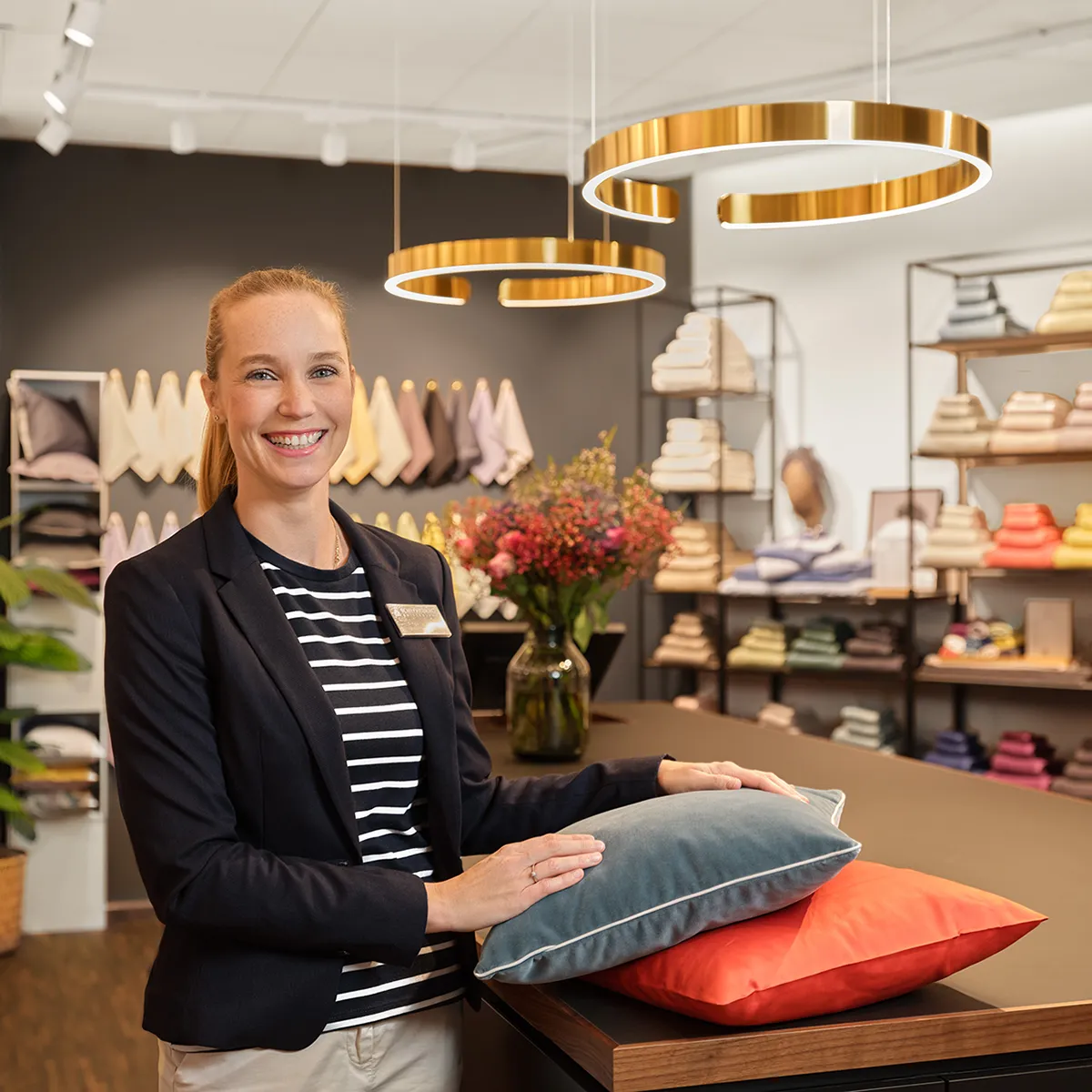
Education and Training
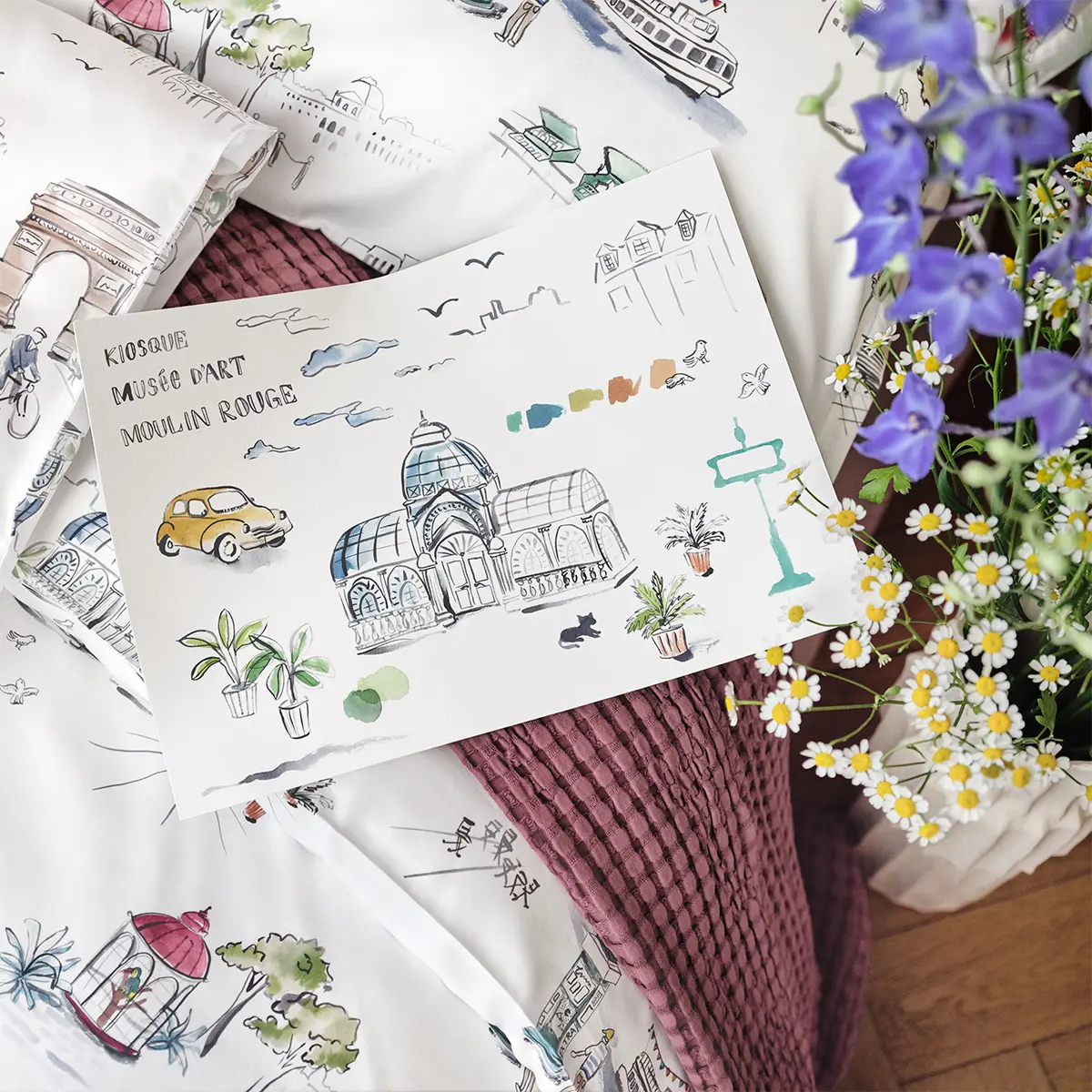
Through targeted training and further education, we foster long-term skills, responsible behaviour and a sustainable working environment. Particularly in our vocational training programmes for business administrators (EFZ) and logistics specialists (EFZ), we place great emphasis on practical learning content relating to resource-efficient processes, fair working conditions and ethical standards. In this way, we combine personal development with corporate responsibility and help to ensure that sustainability is embedded not only in our products but also in our employees’ qualifications.
Second Life: Passing on beauty
Schlossberg bed linen accompanies many people for years. But sometimes you no longer like a particular design, or the colours no longer match your home. That’s when high-quality bed linen deserves a second life. Together with Winterhilfe, we make it possible to pass on bed linen that is still in good condition. In this way, a product that is no longer used brings new joy to other people.

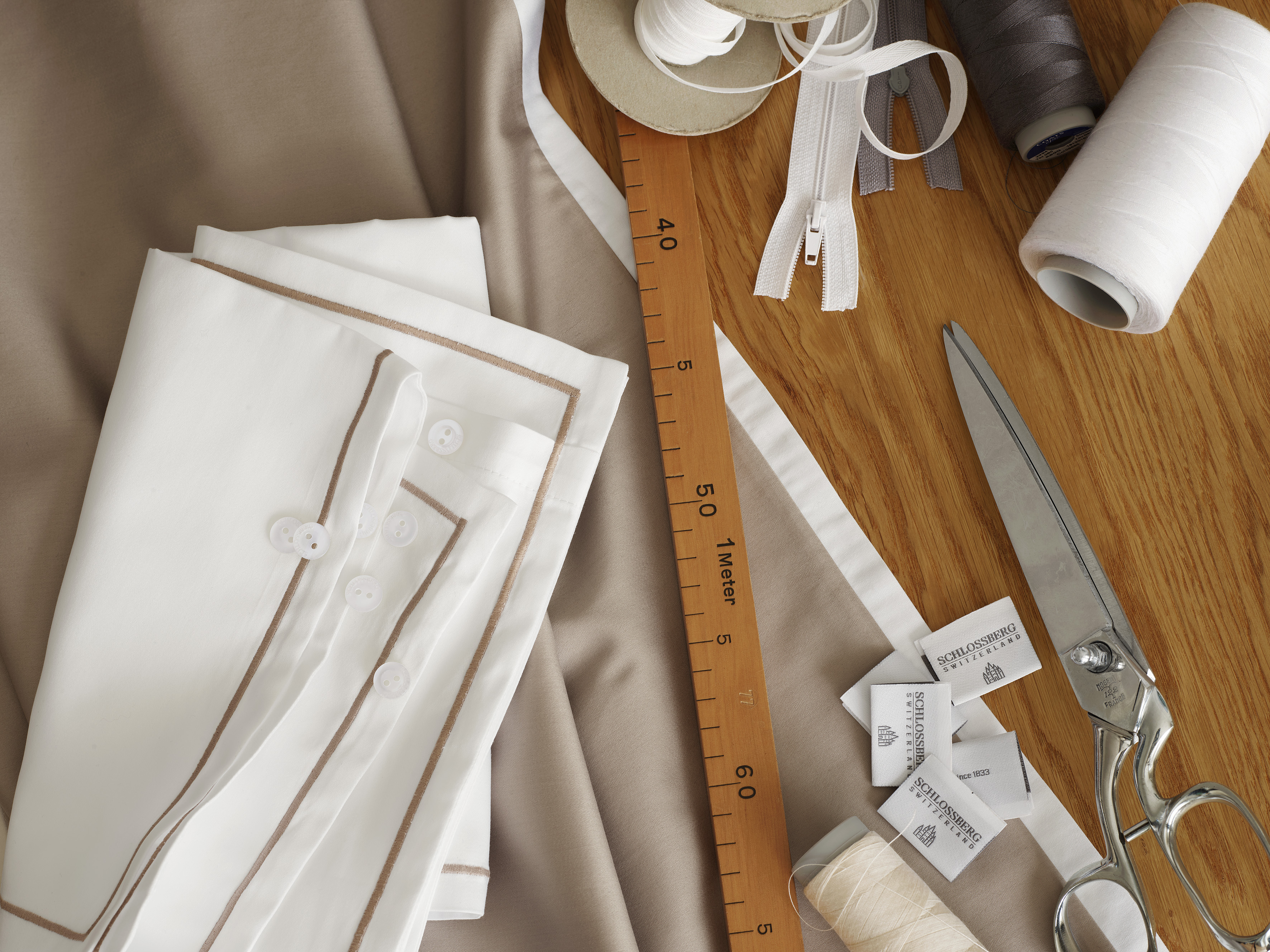
Repair rather than replace
If a product is damaged, it does not need to be replaced straight away. Our sewing workshop in Turbenthal offers various ways to continue using Schlossberg products – from repairs to converting them into a laundry bag or pillowcase.
Micromodal: gentle on the skin, sustainably produced
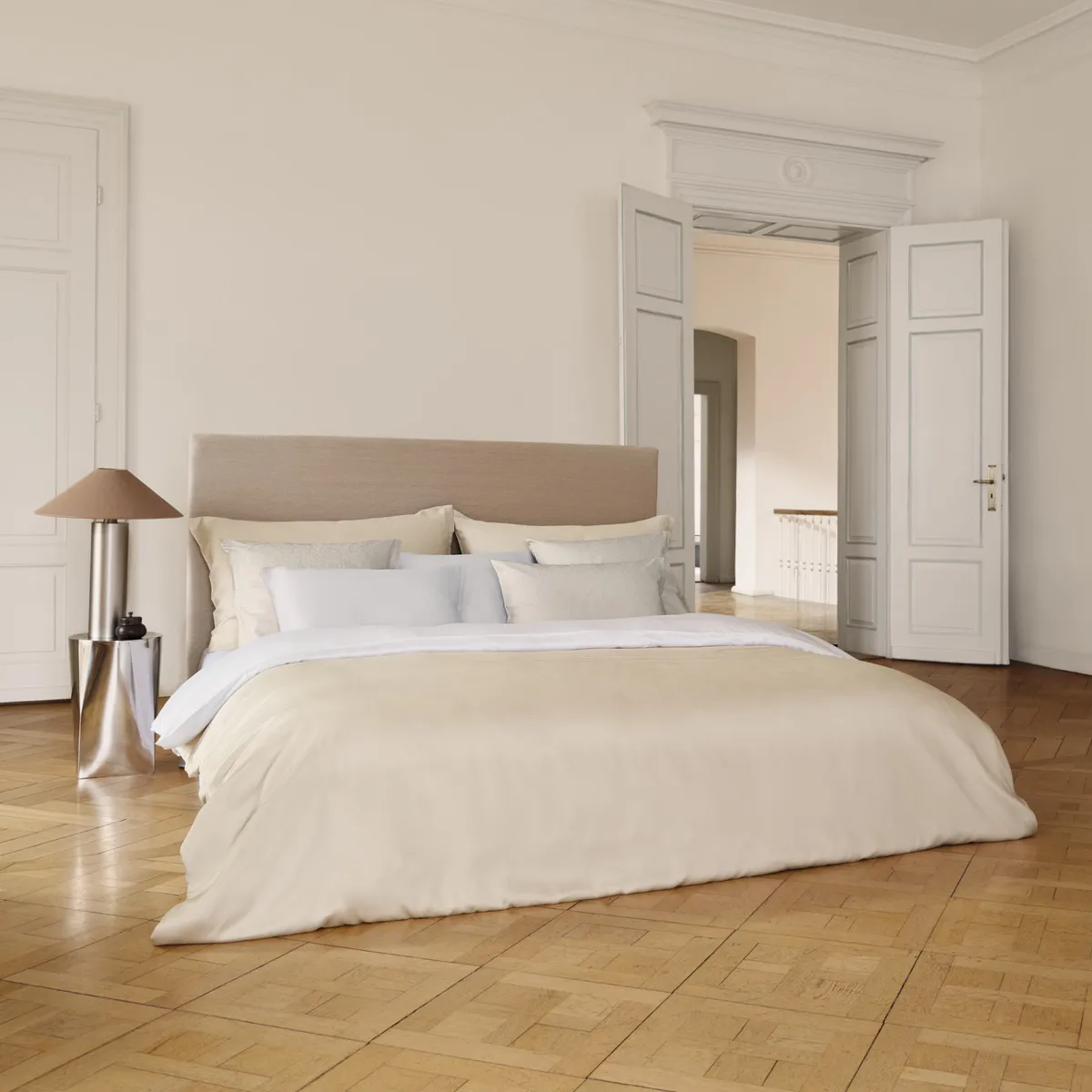
Our bed linen, made from extra-soft micromodal fibres, impresses with its understated elegance and a flowing satin weave that feels wonderfully soft and comfortable against the skin.
The modal fibres are derived from sustainably grown beech wood. Compared to conventional cotton, the cultivation of beech wood requires significantly less water and thus conserves valuable resources.
All stages of production take place exclusively in Europe – from raw material extraction through spinning and weaving to the final manufacturing process. The short transport distances contribute to a resource-efficient and transparent supply chain.